
Built to support, not to label
Bridge Point Scholars is a Caribbean-wide learning resource hub. We are not a replacement for classroom or specialist instruction. This page is what we have today for students with learning differences, what we are working on next, and how a family can flag support needs in private.
“Used carefully, technology can support learning.
Adding more tools is not the same as helping more students.”
We met with the Saint Lucia Ministry of Education’s Special Education Unit on 4 May 2026. The themes below are what they told us mattered most. Several of them are now live; the rest are on the build list.
What is live today
Grouped by what the student needs, not by the technology used.
OpenDyslexic font, larger text, relaxed line spacing
Account-level toggles for OpenDyslexic, three text sizes, and three line-spacing options. Persist across the platform once a student turns them on.
Read-aloud + math-to-speech
A read-aloud button on questions, prompts, and explanations, plus Clearspeak math-to-speech that reads equations as plain English ("a over b", "x squared"). Primary content uses a slower kid-friendly voice and larger touch targets by default.
Untimed mode for practice and mock exams
Removes elapsed timers from practice questions and mock exams. Useful for any student who needs extra time without the visible pressure.
High-contrast theme
A high-contrast site theme on top of the existing color palette. Pure black and white with a yellow accent and stronger focus rings. Reduced motion is honoured site-wide when the device asks for it.
Manipulatives, simulations, and writing scaffolds
87 PhET science and math simulations, 9 Didax virtual manipulatives (counters, ten frames, rekenreks, number lines), GeoGebra and Desmos for geometry and graphing, plus a Writing Corner with grade-adaptive planning scaffolds for Grades 2–6 and CSEC.
Socratic AI tutor that does not replace specialist support
The AI tutor is designed to ask guiding questions, not give the final answer first. We deliberately do not diagnose, screen, or label. Where a student needs specialist support, we refer.
What we heard on 4 May
The themes the Ministry of Education’s SpEd department raised, captured for the public record. Several are commitments we are building toward; one or two are honest gaps we are not papering over.
Inclusivity and a least-restrictive environment
You named this as the largest gap. It reframed how we are thinking about what to build. The work is about whether a student with a learning difference can sit in the same room as their peers and still succeed. The technology is a means to that, not the point.
Speech-to-text everywhere
The single most-asked-for tool. We have it today only inside the French and Spanish learning tools. Generalising it to every written-response question on the platform is at the top of our build list.
Reading-level simplification for younger students
Primary-aged learners with reading difficulties cannot wait for the rest of the curriculum to slow down for them. We are prototyping a reading-level toggle on prompts, instructions, and explanations, with the simpler tier reviewed by a teacher rather than generated cold by AI.
English as a second language
You raised this; we had not put it in the deck. The chance to help ESL students move at their own pace rather than sit through repetition designed for first-language speakers is something we are scoping carefully and will come back on.
School Based Assessment support
A real ask, and the honest answer is: not yet. SBA is high-stakes and varies subject by subject. It deserves a proper specification, not a quick first pass. We will come back to this conversation once we have done our homework.
The full briefing deck we walked through is at /presentations/sped-ministry-meeting.
Tutors with reviewed SpEd experience
Each tutor below has submitted a structured claim of their special-education experience and an admin has reviewed it. The bar is structured training (formal certification, school assignment, university course, or workshop) plus classroom experience, not self-declaration. Tutors not on this list may still adapt sessions well. Every Bridge Point tutor completes a SpEd-foundations module during onboarding.
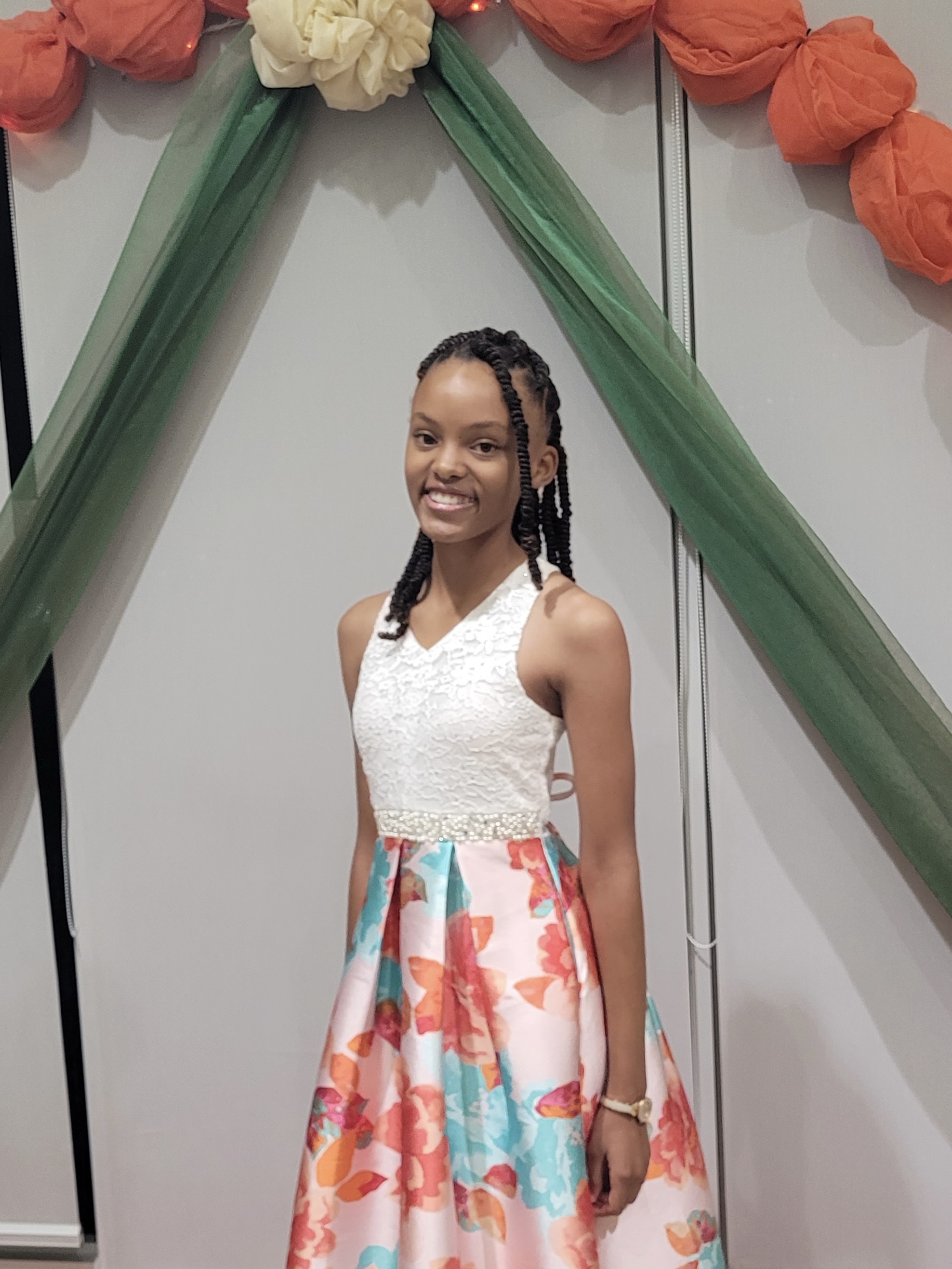
Rihan Joseph
2 years of SpEd experience
Experience supporting: Autism and sensory processing
Hello! My name is Rihan Joseph, and I am passionate about helping students learn in a way that makes them feel confident, supported, and capable. I have experience tutoring primary students, and I have also worked closely with young children in educational settings, including students with different learning styles and abilities. My teaching style is patient, interactive, and adaptable. I understand that every child learns differently, so I take the time to explain concepts in ways that best suit each student’s needs. I aim to create a comfortable environment where students feel encouraged to ask questions, make mistakes, and grow academically. Parents and students can expect lessons that are personalized, engaging, and focused on building both understanding and confidence. I am committed to helping each student progress at their own pace while encouraging them to reach their fullest potential.
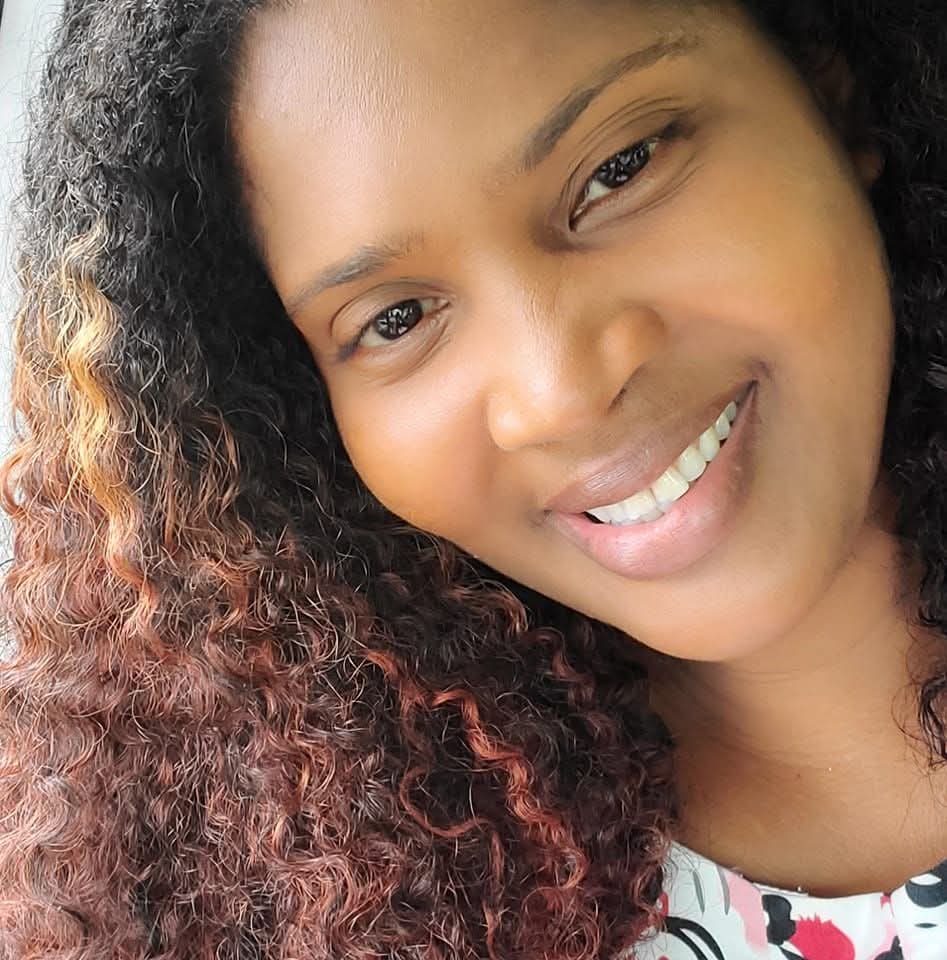
Lynnita Isidore
5 years of SpEd experience
Experience supporting: Autism and sensory processing, English as a second language
My name is Lynnita George Isidore and I am a passionate and dedicated educator with 21 years of teaching experience, committed to shaping young minds and inspiring a love for learning. With a heart for education and a passion for helping students grow academically, socially, and emotionally, I believe that teaching is more than a profession—it is a calling. My years of experience, patience, creativity, and commitment continue to make a lasting impact on the lives of my students and school community.
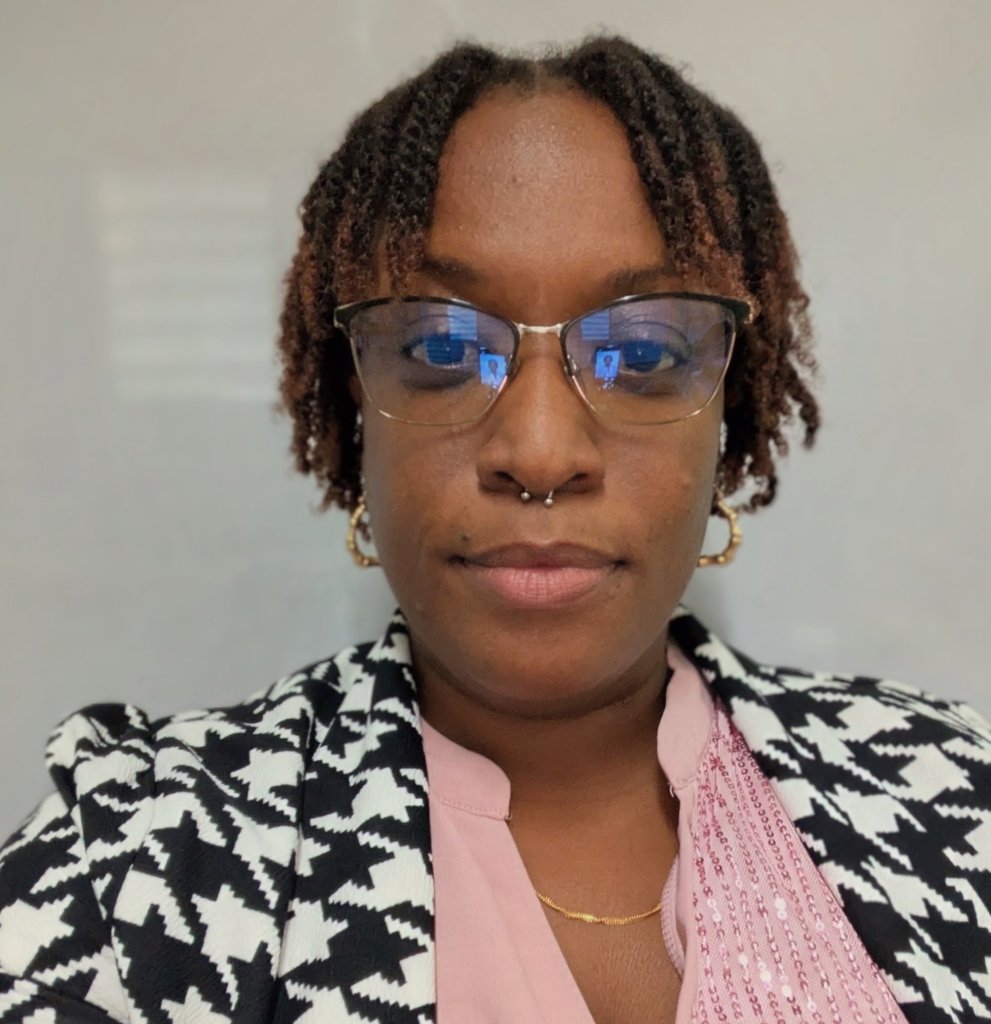
Phelomen Johnfinn
5 years of SpEd experience
Experience supporting: Dyslexia and reading differences, English as a second language, Autism and sensory processing, Dysgraphia and motor differences, Dyscalculia, ADHD and executive function
I bring patience, adaptability, and years of experience working with learners of different ages, abilities, and learning needs. My special education background has taught me how to recognize when a learner is struggling, identify what may be holding them back, and adjust my approach until learning begins to click. I also bring experience in mainstream classrooms, private tutoring, and online teaching across English, Mathematics, Science, and Social Studies. Most importantly, I bring genuine commitment. I celebrate progress, build confidence, and never believe that one teaching method should fit every child.
For families
Do I have to share my child has a learning difference to use Bridge Point?
No. The flag on your child profile is optional and never auto-shared with any tutor. When you book a session, we ask once whether you want to share the structured tags with that specific tutor. Default is off. You can revoke at any time from the child profile page.
What does the tutor see when I do consent?
Only the structured tags you ticked, for example "dyslexia, ADHD". Your written notes never go to a tutor. Tutors do not see whether your child has an IEP unless you tick that box and consent to share, and even then they only see the boolean, never the document.
Will Bridge Point ever diagnose my child?
No. Diagnosis is the job of a clinician or educational psychologist. We adapt sessions and surface tools, and we refer where specialist support is needed.
Can I use Bridge Point alongside my child’s existing specialist?
Yes. The platform is designed to complement specialist work, not compete with it. If you would like us to coordinate with a specialist, write to operations@bridgepointscholars.com.
Ready to flag a learning difference for your child?
Open my profilesFor educators, schools, and the Ministry
How does Bridge Point identify SpEd-experienced tutors?
Tutors who have direct experience supporting students with learning differences submit a structured claim covering specialty areas, training type (formal certification, school SpEd assignment, university course, structured workshop, or classroom hours), years of experience, and supporting documents. An admin reviews the claim before the tutor receives the badge or appears in the SpEd-experience filter.
Are all your tutors trained in SpEd?
No. Every tutor is required to complete a short SpEd-foundations module during onboarding (recognising common learning differences, plain-language explanations, untimed-mode etiquette, when to refer to a specialist). The specialist credential is on top of that baseline.
How can a school or specialist work with you?
We are open to it. For SBA support, classroom implementation, or a partnership that involves vetting our SpEd credentials through a recognised body, write to partnerships@bridgepointscholars.com and we will set up a call.
Get in touch
For SpEd-specific questions, partnership conversations, or to flag a gap we should be paying attention to, write to Chani directly.